Subtle signs: the small changes we forget so quickly
Your pet sleeps a little more than before, hesitates at the stairs, sometimes leaves a few bites in the bowl. Taken one by one, these details seem harmless, and we forget them quickly. Noting them over the days keeps what memory erases, and helps you watch over them better.


Why we forget these small changes
Life with a pet runs on routine: mealtime, the walk, their spot on the sofa. Precisely because we see them every day, small changes go unnoticed. A little more sleep, a little less spring on the walk: nothing striking, and by tomorrow we no longer think about it.
This is not a lack of attention. Memory keeps the general impression (“they're fine”) and erases the details. When you wonder, weeks later, since when they have hesitated to jump or when they started sleeping somewhere else, you can no longer answer.
That is where subtle signs matter. They are these discreet changes, often the first to appear, that we only notice with hindsight. Spotting them requires neither medical knowledge nor constant worry: you just need to see them, then keep them somewhere.
Where to look
No list of symptoms here, just five reference points for knowing where to look day to day.
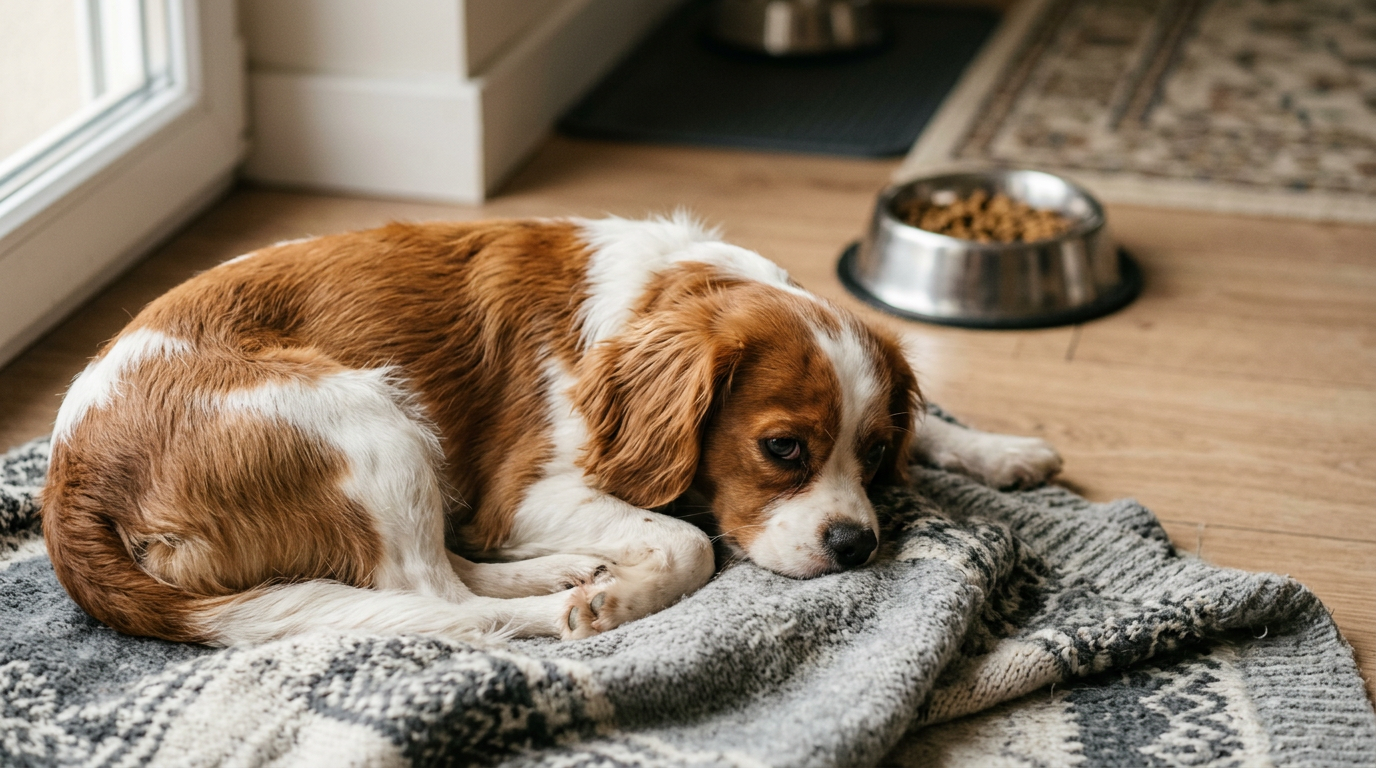
- Appetite. They finish their bowl more slowly, become pickier, or ask for more.
- Behaviour. Clingier, more distant, more nervous, less playful, noisier or quieter.
- Mobility. They hesitate before jumping, take the stairs differently, get up more slowly.
- Sleep. They sleep more, or less, or change where they lie down.
- General mood. A look, an energy, a wish for contact that doesn't seem like usual.
These examples say nothing about what is going on: they only help you know where to look. If something else catches your attention, note it too. You know your pet best, and what you notice has value.
Compare them with themselves, not with others
Some animals are calm, others never still: each has their own rhythm, character and little quirks. What matters is not what an “average” animal does, but what yours did yesterday, last week, last month.
Three questions help place a change:
- Is it new for them? What they are doing now, they didn't do before.
- Does it repeat? One isolated day doesn't weigh the same as several days in a row.
- Does it last? A detail that settles in deserves more attention than one that passes.
An isolated change is not necessarily a sign, and you don't have to draw a conclusion from it. Noting it is enough. It is what follows, the repetition or the duration, that gives it meaning, and that meaning is for your vet to judge.
Keeping track: why a journal changes everything
A journal doesn't need to be long. One dated line is enough: “Tuesday, left half the bowl,” “Thursday, hesitates before getting on the bed.” Taken alone, that says nothing. Read together a few weeks later, these words draw a path that memory would never have kept.
That is the value of regular tracking: it replaces “I feel like they were already a bit like this” with “here is what I noted, and when.” It also spares you from doubting alone: you can go back and see, without interpreting. On days when there is nothing to say, note that too: “nothing to report” is information.
In Charly, these notes join your pet's journal and history, and Sentinelle watches with you for subtle signs so they don't get lost between two days.
When to talk to your vet
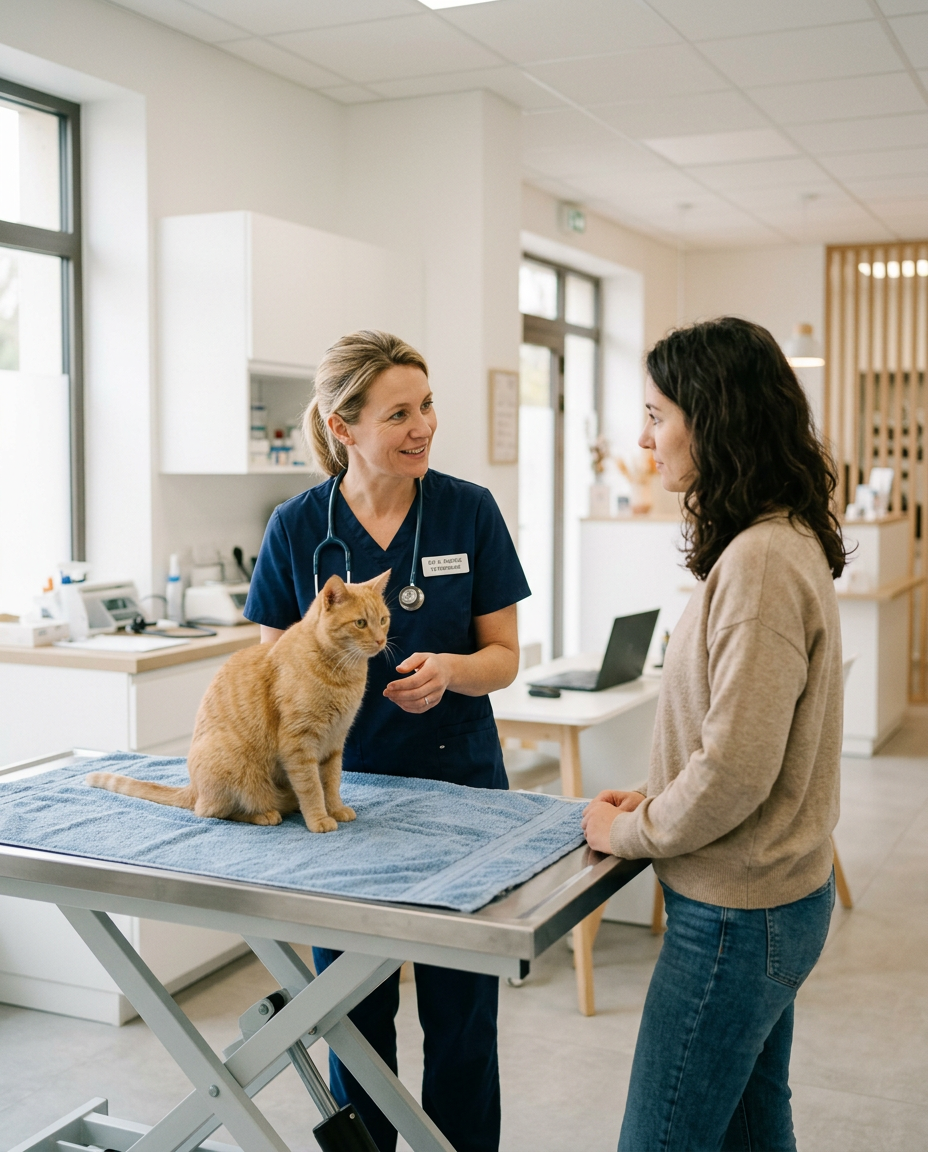
A change that lasts, repeats or worries you is worth mentioning to your vet, without waiting for the next routine appointment. You don't need to be sure it matters: that is for them to judge. Calling about a detail is never out of place, and your worry is information.
Some signs call for not waiting: if your pet is very lethargic, has trouble breathing or the situation is getting worse hour by hour, call your vet or the emergency service without delay.
To make the exchange useful, lean on your notes: since when, how often, in what circumstances, what has changed. A photo or a short video often says more than a description. You describe, your vet assesses: each has a role, and your pet benefits. And if someone else looks after your pet, a relative, a pet-sitter, a boarding facility, share what you noted too: information should follow the animal.
This article offers guidance on observing and describing. It does not replace your veterinarian's advice. If in doubt, contact your clinic.