Your pet won't touch its bowl: what to note before calling the vet
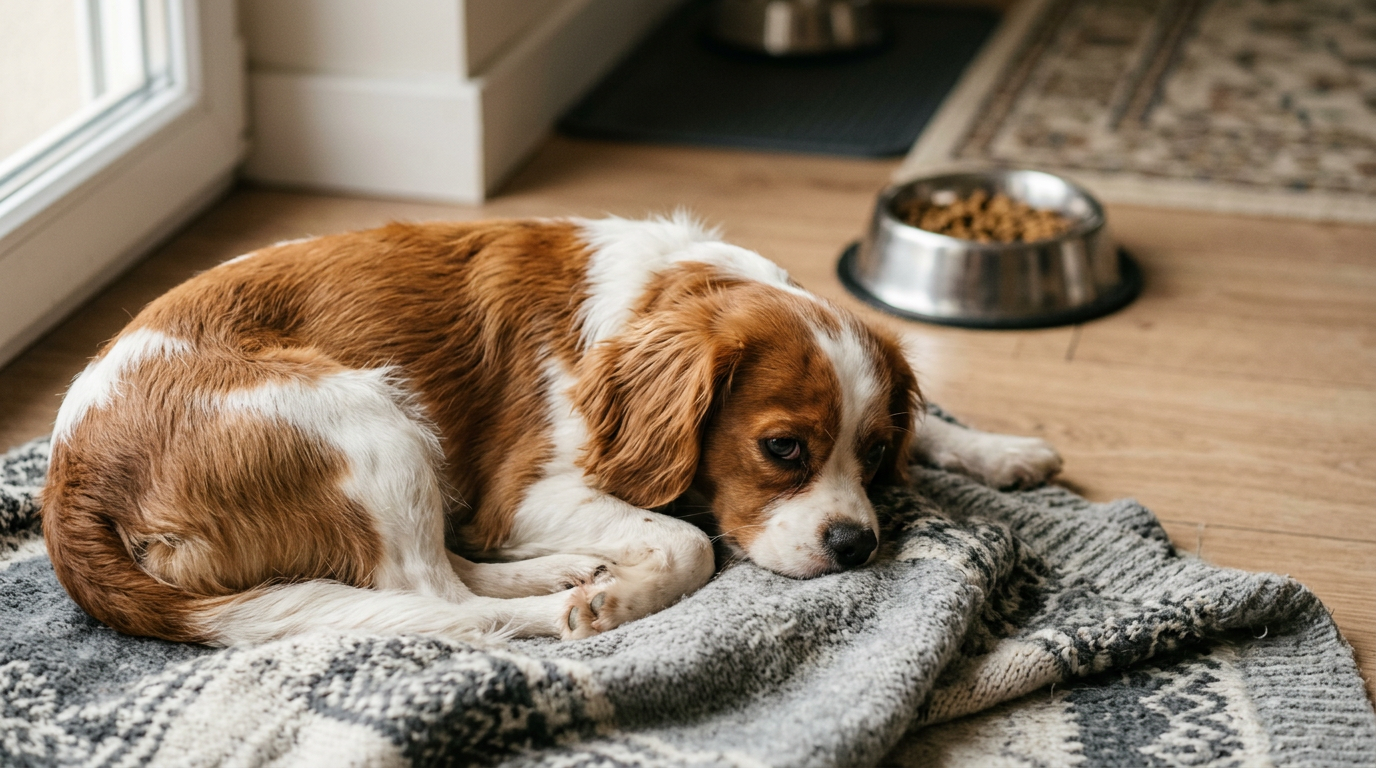
It's 10 p.m., your pet has left its bowl full, and the question keeps going round: should you call the vet? Your worry is valid, always. A few well-noted observations help you see more clearly and describe the situation precisely.

Why evening worry weighs so much
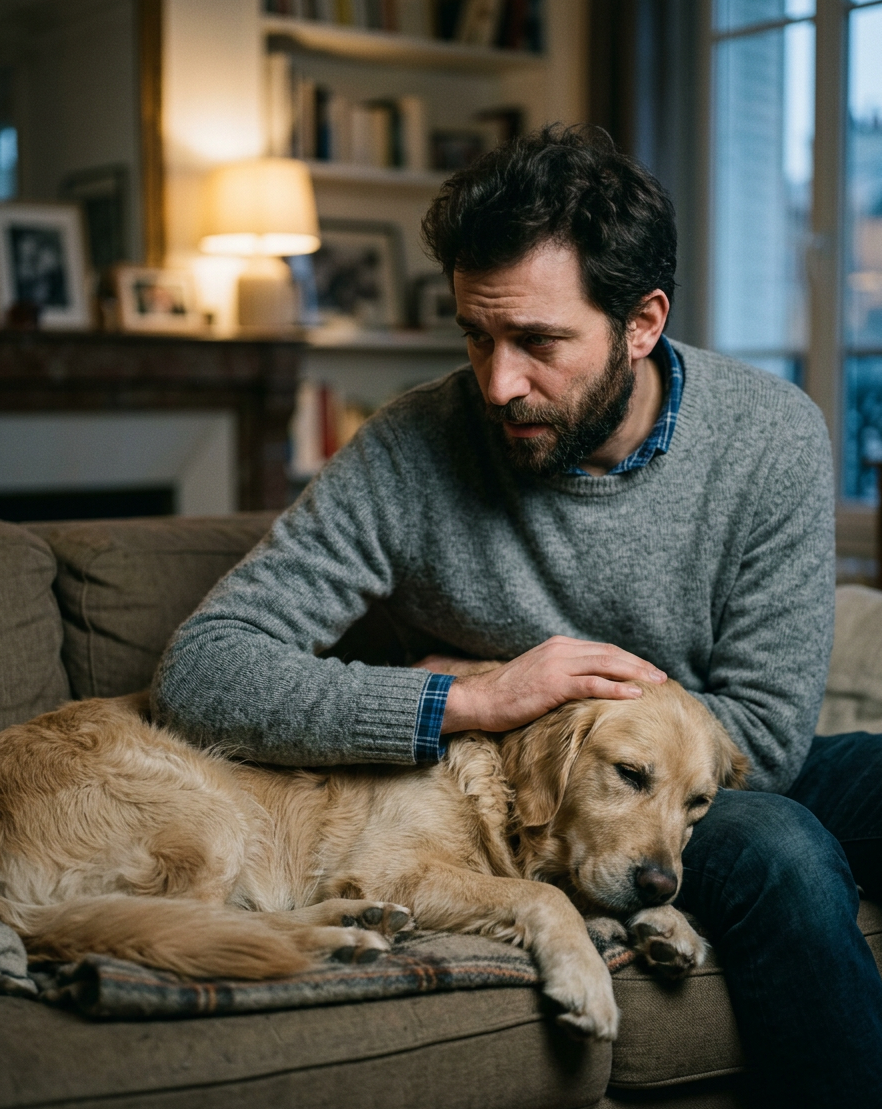
It's late, the clinic is closed or the weekend is just starting, and your pet is not acting like itself. You watch, you hesitate. Is it passing? Should you be concerned tonight? That hesitation is not an overreaction: it shows that you know your pet and that you are looking out for it.
What makes these moments heavy is not the worry itself, it is the lack of landmarks. With nothing to compare against, everything seems both harmless and worrying. And the next day, on the phone or at the clinic, it is hard to remember what you saw: at what time, how many times, since when.
Good news: you do not need to know what it means. Your role is not to interpret, but to observe and describe. The assessment is up to your vet, who will make far better use of it with clear facts.
What is useful to note
When something changes, four landmarks are enough. You can write them on paper, in your phone or in a journal:
- Since when. The hour or day you first noticed it. "Since this morning" and "for three days" do not say the same thing.
- How often. Once, several times, on and off.
- In what circumstances. After a meal, on waking, after a walk, after a change of food or a visitor at home.
- What has changed. Appetite, water drunk, energy, wish to play, sleep, stools, urine, way of moving.
Use concrete, everyday words. "The bowl has been untouched since last night" is far more useful than "not eating well". Also note what has not changed: whether your pet still plays, whether it drinks as usual. That helps your vet put things in context.
Photos, videos and everyday details
Some signs never show up at the clinic: an unusual gait, a cough, a way of lying down. A short video taken at the moment it happens lets your vet see exactly what you saw. Film without trying to provoke the sign and without stressing your pet.
A photo of the bowl, of the spot where your pet has settled or of what has been left behind can also replace ten lines of description.
Finally, think about what surrounds the situation: a change of food, a move, an absence, a new animal at home. This everyday context seems like nothing, but it matters. And if your pet has been given anything recently, note it with the time: it is valuable information for your vet.
When not to wait before calling
Noting does not mean waiting. Some signs call for a prompt response: do not wait to call your vet, or the emergency service, if for example:
- your pet is very subdued or is not reacting as usual
- it is having difficulty breathing
- it is no longer drinking
- the situation is getting worse hour by hour
- your instinct tells you something is wrong
This list is not complete, and it is not for you to make a diagnosis. On the phone, simply describe what you have noted: that is what allows the veterinary team to tell you how to proceed.
If you are unsure, calling is never out of place. Your worry is information, and it deserves an answer.
This article offers guidance on observing and describing. It does not replace your veterinarian's advice. If in doubt, contact your clinic.