Your patients arrive prepared: a journal that saves time in consultation
An anxious owner, symptoms described from memory, a timeline to piece together: many consultations start this way. A journal kept day by day changes that starting point. Here is what it brings to your practice, and how to invite your clients to start one.

The patient who arrives with no history
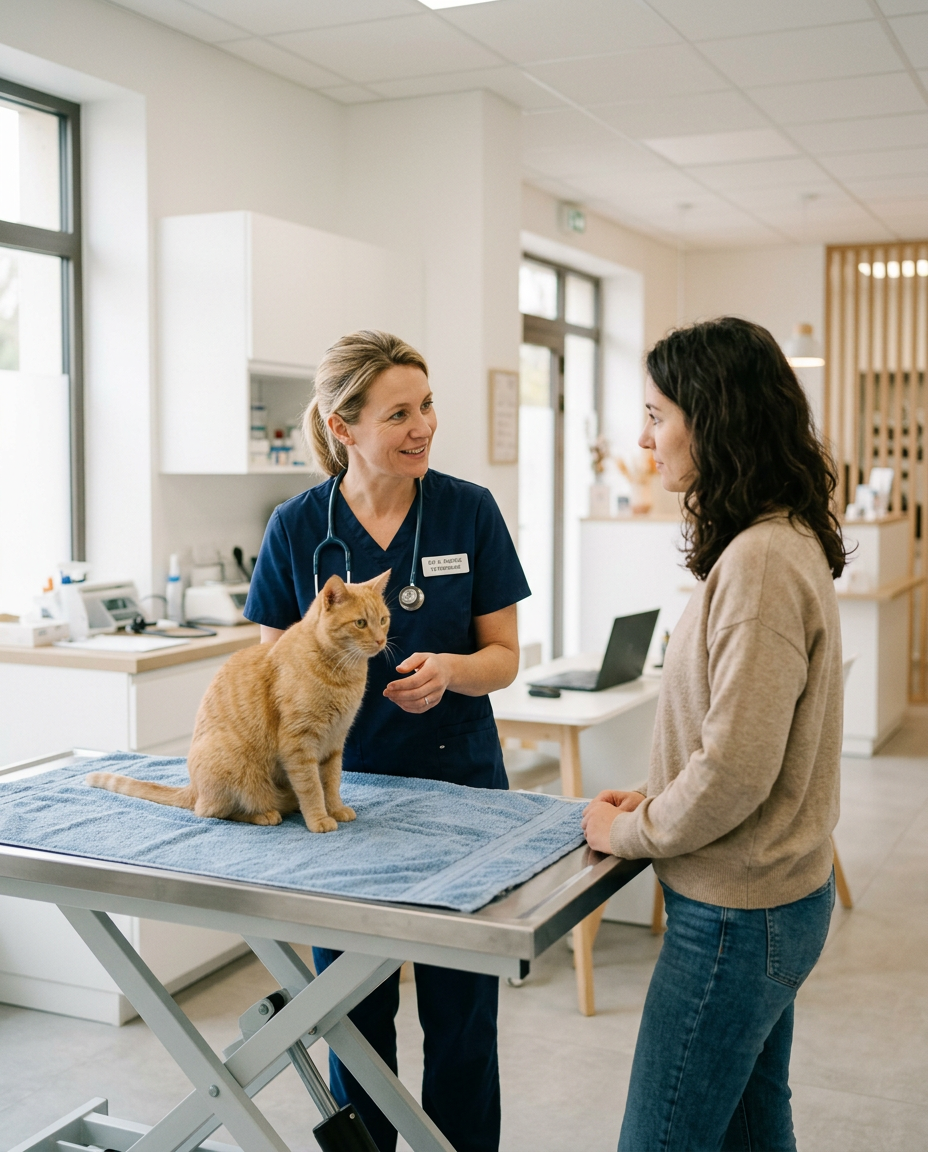
You know the scene: the owner sits down and starts with “it began a few days ago, well, I think so”. Part of the consultation then goes into reconstructing what happened: since when, how often, after what. This work is necessary, but it relies on memories, often tinged with worry, and it takes time that could go to the examination and the conversation.
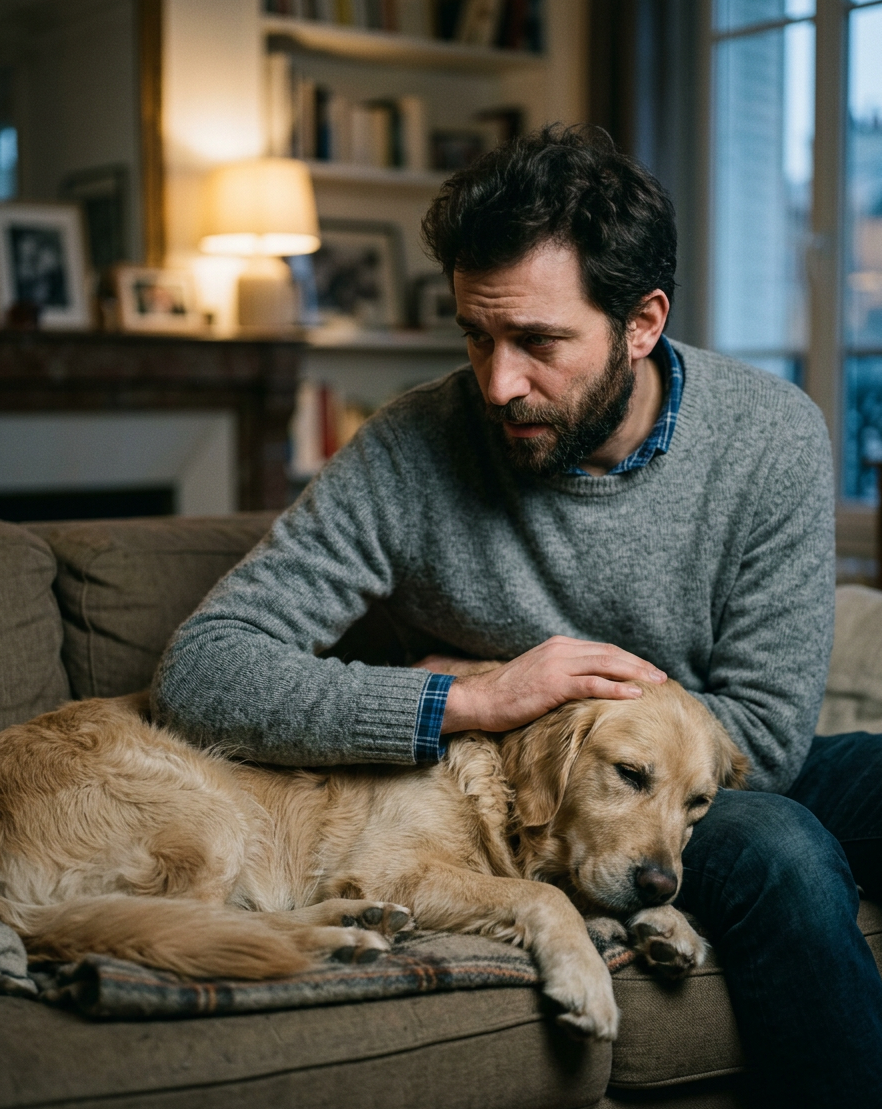
There are also the consultations driven mostly by the owner's worry. That worry is never exaggerated: it deserves an answer. But without reference points, it is hard, for them as for you, to tell what matters from what doesn't. When the owner arrives with dated observations, the discussion starts from facts, and your expertise can be applied more directly.
The problem is not owners' goodwill. It is the lack of a place to keep track of what they see, day after day. That is where a journal fits.
What a well-kept journal gives you
A useful journal is not a medical record: it is a collection of ordinary observations, noted day by day. For you, it provides four markers:
- Dates. The start of a change is no longer an impression, but a day on record.
- Frequency. Once, several times, in episodes: repetition can be read at a glance.
- Circumstances. After a meal, during exercise, after time with a pet-sitter: the context owners forget fastest.
- Progression. Better, the same, worse: the trajectory from one day to the next, which a single examination cannot give.
Add changes in diet, environment or routine, and what the animal has received, with times. You keep control of the interpretation: the owner describes, you assess. And over several months, the history can also show what keeps coming back, or what settled in without anyone noticing.
Photos and videos: what the clinic does not show
Many signs disappear in the clinic: stress, an unfamiliar place and the owner's presence can change what you observe. A gait, a cough, a way of lying down, a brief episode: a few seconds of video taken when it happens show you what the owner saw, not only what they say about it.
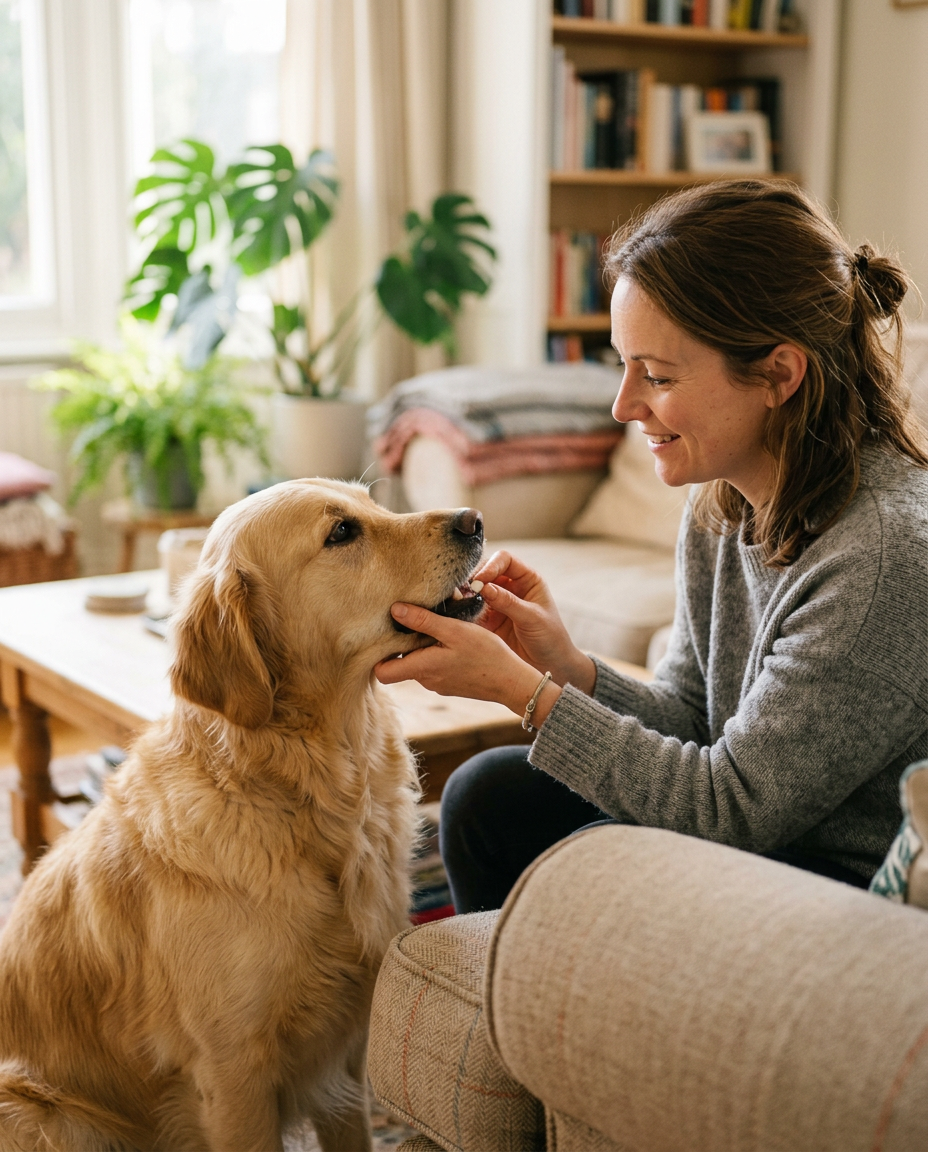
Invite your clients to film without provoking the sign and without stressing the animal, then to keep the photo or video, with its date, in the journal. A dated image is also useful for slow changes: an area of the coat, a posture, a gait, compared from one week to the next.
These elements do not replace your examination. They guide and complete it, and they sometimes spare you a long, approximate description given from memory in the consultation room.
What you can do with it in the consultation
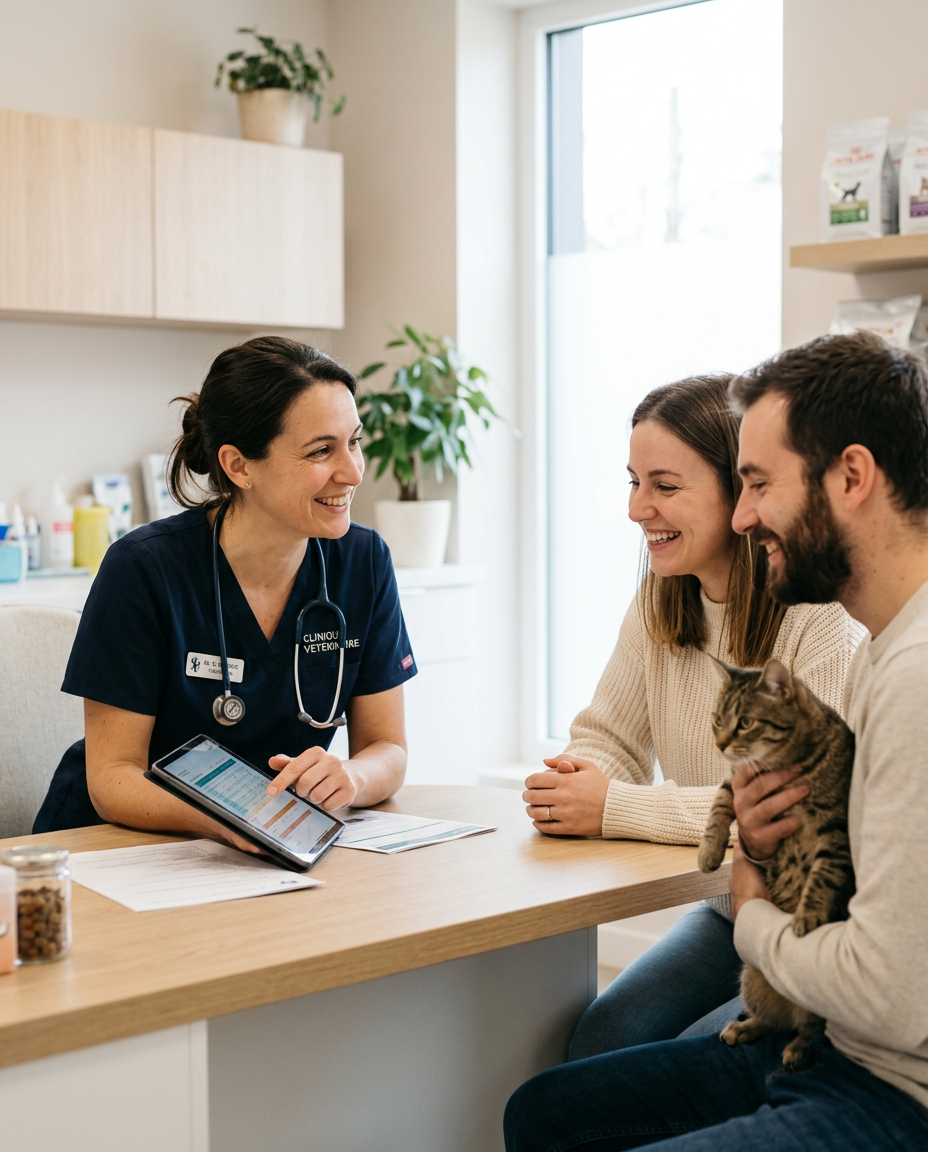
Before the examination, going through the journal for a few moments gives an overview: onset, frequency, circumstances, progression. You can then ask targeted questions rather than opening the history-taking from scratch, and keep the consultation time for the examination, the explanation and the decision.
The journal also helps after the consultation. If you ask an owner to monitor a specific point, they note it, and the next check-up relies on regular observations rather than on memories. The gap between what was agreed and what happened becomes readable.
The tool stops there. Charly does not replace your judgment: it gathers what the owner has observed, in a format you can read at a glance. The assessment, the decision and the medical follow-up remain yours, and that is as it should be.
Inviting your clients to take notes before the appointment
The approach takes little room in the consultation, but it needs preparing. A few gestures are enough:
- Give the four markers. Since when, how often, in what circumstances, what has changed. One sentence at the end of the appointment, or in the confirmation message, is enough.
- Suggest a single place. Paper, phone notes or the Charly journal: what matters is that everything is in the same place.
- Encourage images. A dated photo or short video, for signs that come back.
- Ask for sharing before the appointment. A link to the journal or a PDF export, if your practice accepts it, to read before the patient arrives.
This request also reassures the owner: they have something concrete to do between two consultations, and they feel taken seriously. They become a precise observer, without ever taking your place.
This article offers guidance on observing and describing. It does not replace your veterinarian's advice. If in doubt, contact your clinic.